
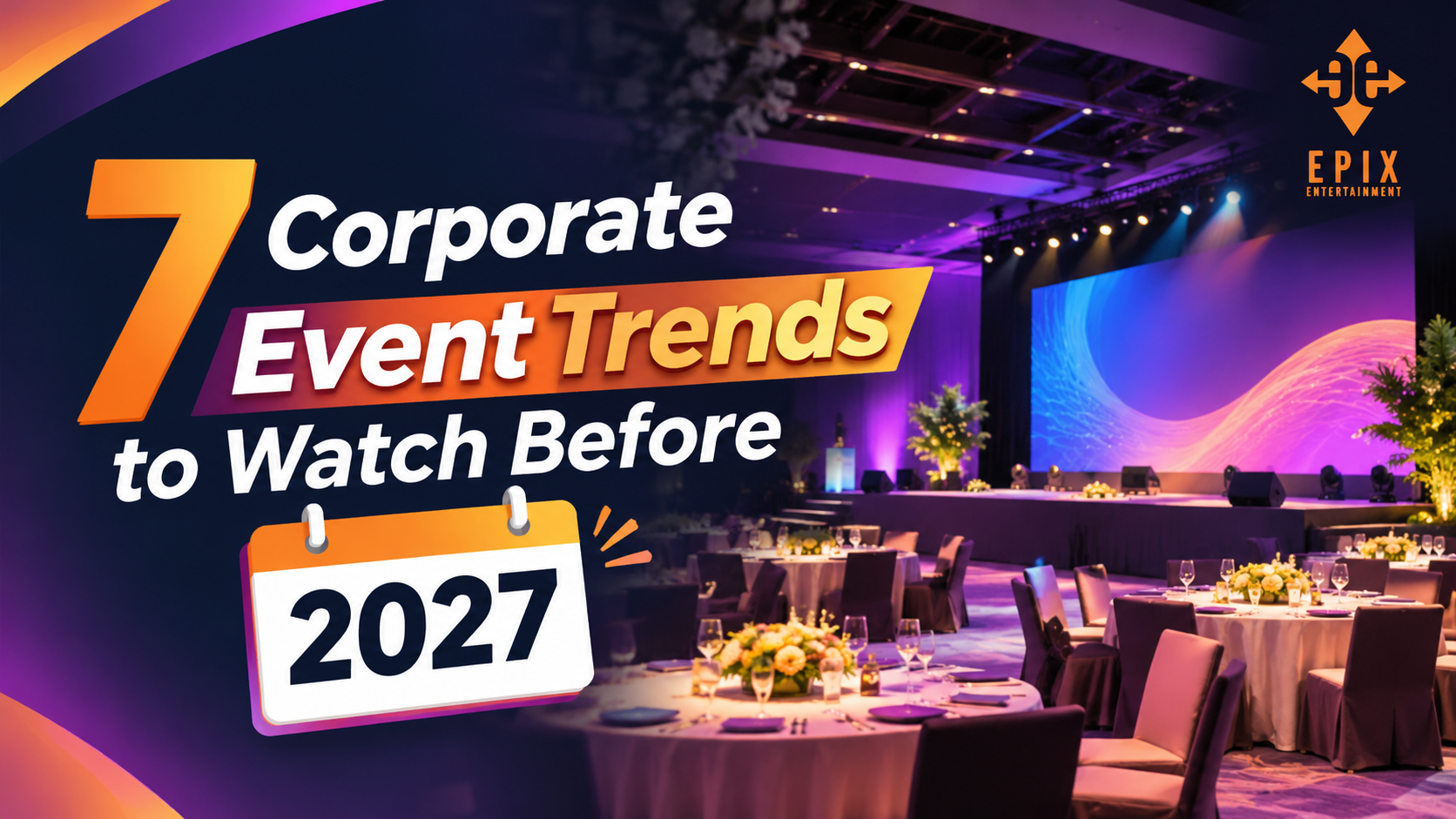
Corporate events are changing in the way they are planned, presented and experienced. Traditional gatherings that mainly focused on speeches, formal presentations and scheduled activities are gradually making room for more engaging experiences. Businesses are paying closer attention to what attendees expect and how each part of an event contributes to its overall purpose.
The expectations of employees, business partners, clients and other guests are not always the same. As a result, companies are exploring different approaches to make their gatherings more relevant and memorable. Technology, personalisation, sustainability and audience participation are among the factors influencing these changes. As 2027 approaches, here are seven corporate event trends worth watching and understanding.
1. Smaller Events with More Meaningful Experiences
A large guest list and an impressive venue may create a strong first impression, but they do not necessarily make an event successful. Many businesses are recognising the value of smaller gatherings where attendees have more opportunities to interact and build connections. Leadership discussions, exclusive business meetings and focused employee gatherings are examples of this approach.
These occasions allow organisers to give greater attention to the people attending rather than concentrating only on the scale of the programme. Seating arrangements, discussion formats and scheduled activities can all be planned around meaningful interaction. For example, a leadership meeting with a limited number of participants may benefit more from an open discussion than a lengthy series of presentations.
This does not mean larger gatherings are becoming less relevant. Instead, businesses are considering the purpose of an occasion before deciding its size and format. The emphasis is shifting towards the quality of the experience rather than simply the number of people present.
2. Technology Becoming Part of the Event Experience
Technology is no longer limited to presentations and sound systems. It is becoming part of different stages of an event, from guest registration to audience interaction. Digital check-ins, interactive screens, live polling and event applications are helping organisers make activities more convenient for attendees.
Visual technology is also influencing stage presentations and event settings. LED displays, creative lighting, digital backdrops and projection elements can help communicate information in a more interesting way. At a product presentation, for instance, visual displays can demonstrate features that may be difficult to explain through a conventional presentation alone.
However, adding more technology does not automatically improve an occasion. Equipment and digital tools need to serve a clear purpose. When selected carefully, they can reduce manual work, improve communication and support the overall programme without distracting attendees from the main activities.
3. Personalised Experiences for Attendees
People attending the same occasion may have different interests, responsibilities and expectations. A single programme may not appeal to everyone in the same way. This is encouraging businesses to consider more personalised experiences when organising their gatherings.
For example, an employee recognition occasion could include individual appreciation moments, while a business meeting might offer sessions based on different professional interests. Personalised invitations, relevant activities and thoughtful guest arrangements can also make people feel more involved.
Even small details can influence how someone remembers an occasion. Understanding dietary preferences, providing clear information before arrival and arranging suitable networking opportunities can improve the guest experience. Personalisation does not always require expensive additions. Often, it comes from understanding the audience and making practical arrangements that reflect their needs.
4. Sustainability Influencing Event Decisions
Environmental responsibility is becoming an important consideration when companies make event-related decisions. From printed materials to food arrangements and venue selection, there are several opportunities to reduce unnecessary waste.
Digital invitations, reusable decorations, responsible food planning and locally sourced materials are some practical approaches. Businesses can also consider venues that follow environmentally responsible practices. Instead of printing large quantities of schedules and information sheets, organisers can provide digital versions that guests can access when required.
Sustainability also involves making sensible choices during preparation and execution. For example, decorations that can be reused for future occasions may reduce material waste, while better food planning can help avoid excessive leftovers. These changes do not require an occasion to lose its visual appeal. With proper preparation, environmental considerations and presentation can work together.
5. Events Designed Around Audience Participation
A programme built entirely around speeches and presentations can make it difficult to maintain audience interest throughout the day. More organisers are exploring ways to involve attendees rather than expecting them to remain passive listeners.
Live questions, interactive discussions, audience polls and activity-based sessions can bring a different energy to corporate gatherings. A speaker could invite participants to share their experiences, while a discussion session could give attendees an opportunity to raise questions about a particular subject.
Participation can also be introduced through activities between scheduled sessions. Short challenges, demonstrations and group discussions can encourage people to interact with one another. The objective is not to fill every available moment with an activity. Instead, the programme should include suitable opportunities for attendees to contribute, exchange ideas and connect with the subject being discussed.
6. Flexible Event Formats for Different Audiences
Not every business gathering needs to follow the same format. While some occasions benefit from an in-person setting, others can reach a wider audience through virtual participation. Hybrid formats offer another option by bringing physical attendees and remote participants into the same programme.
The choice depends on the purpose of the gathering, the number of participants and their locations. A company-wide announcement, for instance, may benefit from a format that allows employees from different offices to attend. On the other hand, a networking occasion may be more effective when participants meet in person and have time to interact.
Each format also comes with different requirements. Virtual participation needs reliable streaming and clear communication, while hybrid arrangements require coordination between the physical venue and remote audience. Businesses should consider these practical details before selecting a format. Choosing the right approach makes participation easier and helps the programme reach its intended audience.
7. Greater Attention to Event Planning and Execution
A successful occasion depends on much more than what happens on stage. Timelines, vendor coordination, technical arrangements, guest movement and last-minute changes all influence how smoothly the programme runs. Businesses are recognising the importance of managing these details carefully.
Preparation often begins well before the event day. Venue inspections, equipment checks, programme schedules and communication with service providers help identify possible issues in advance. Clear responsibilities also make it easier for different teams to work together without confusion.
This is where an experienced corporate event management planner chennai can help businesses coordinate different requirements, maintain schedules and handle unexpected situations. Even a well-designed programme can face difficulties if technical arrangements or guest coordination are overlooked. Proper preparation allows speakers, attendees and organisers to focus on the occasion rather than dealing with avoidable disruptions.
What These Changes Mean for Businesses
These trends show that companies need to think beyond choosing a venue and preparing a programme. The audience, purpose, budget and expected outcome should guide every major decision. A gathering intended to recognise employees will have different requirements from a business conference or a client appreciation evening.
Businesses looking for a corporate event management company in chennai should consider its ability to handle creative planning, technical production, coordination and on-site execution together. Looking at previous projects, understanding the planning process and discussing specific requirements can help companies make a more informed decision.
Not every trend will suit every occasion. The better approach is to identify what works for the intended audience and build the programme around those requirements. Selecting a few relevant ideas and executing them properly can be more effective than trying to introduce every new concept at once.
Conclusion
Corporate events will continue to evolve as businesses explore new ways to bring people together. Smaller gatherings, useful technology, personalised arrangements and better audience participation are shaping new expectations. Keeping up with these changes requires thoughtful preparation and attention to detail. At Epix Entertainment, we bring creative ideas and organised execution together to help businesses deliver corporate events that leave a meaningful impression.